
US Open final: Zverev tops Shelton in four sets

The latest stories
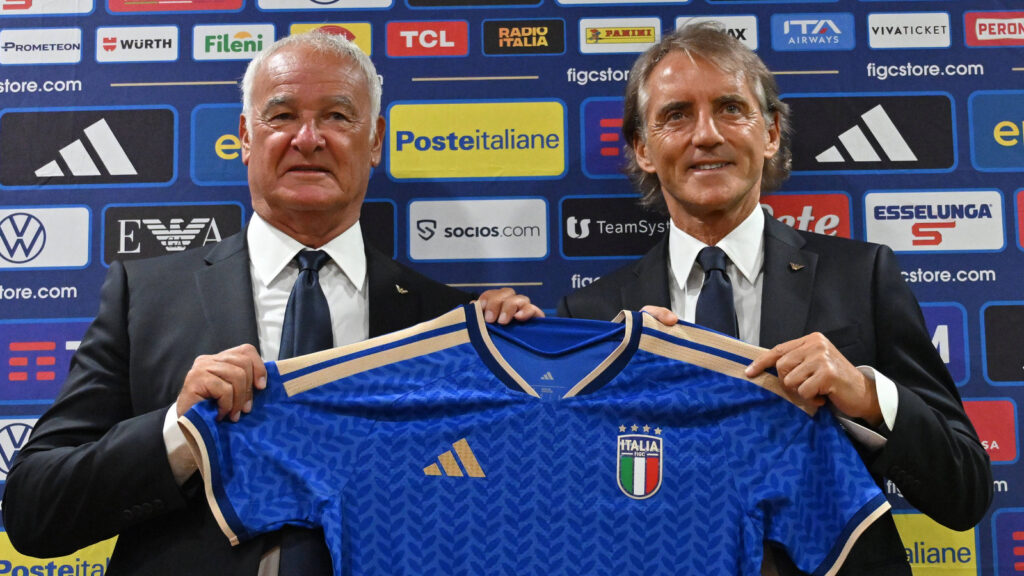
Italy, Nearly 70 Pre-Selections for Mancini: Squad List Announced Tomorrow, Spotlight on a New Generation
17 Sept 2026
Pure Class Raphinha
17 Sept 2026
Serie A has 14 players in the top 50, but only five are Italian
17 Sept 2026
From Robbery to DiaLise: Can Bayern’s new wing duo create their own legacy?
17 Sept 2026
Estudiantes oust Corinthians in Libertadores
17 Sept 2026
Barcelona 7-2 Real Racing Club: Raphinha hat-trick and big numbers
16 Sept 2026
Benfica beat AC Milan 2-0 at San Siro: stats and stars
16 Sept 2026US Open final: Zverev tops Shelton in four sets
Top seed Alexander Zverev defeated No. 8 seed Ben Shelton 6-3, 7-6 (7-2), 5-7, 6-2 to claim the US Open title on Arthur Ashe Stadium. The German built the win on a reliable first serve and timely returning, overcoming the American’s higher winner count with steadier point construction. Across four sets, Zverev won 124 total points to Shelton’s 113 and converted four break points to one. It was a measured, numbers-backed performance on hardcourt in New York, and it held up when the rallies mattered most.

For point-by-point details and advanced stats, visit the full match page on Sofascore, and track the tournament overview on the US Open, Men hub.
Serve patterns that shaped the final

Zverev’s first serve delivered the foundation. He landed 70% of first serves and won 84% of those points, a strong blend of accuracy and protection under pressure. Shelton actually put even more first serves in at 75%, yet he won only 70% behind them, which swung a chunk of baseline games in Zverev’s favor. On second serve, Shelton held a slight edge at 60% points won to 49%, but Zverev kept the damage contained by avoiding long patches of second deliveries. Total service points told the story of balance, with Zverev at 85 and Shelton at 82, but the German’s holds felt more secure.
The ace count stayed tight at 9 for Zverev and 10 for Shelton, and double faults were close too at 6 to 4. The key separation came in big first-serve point clusters, especially in sets one and four where Zverev posted 94% and 92% first-serve points won. He also edged the tiebreak set by serving cleaner at the right moments, taking the second set 7-6 with a 7-2 breaker. Even when his second serve dipped, the top seed’s first-strike tennis on first delivery consistently reset the tone of games. In total, he won 19 service games to Shelton’s 17, which paired nicely with superior return numbers.
Return pressure and break points under control
Return performance separated the champion from the challenger. Zverev won 40 receiver points to Shelton’s 31, repeatedly making inroads in neutral rallies after the return landed. Against Shelton’s first serve he won 30% of return points overall, and he was especially sharp in sets one and four where those numbers hit 36% and 50% respectively. Shelton’s return on Zverev’s first ball lagged at 16% across the match, which limited his break chances. Even with a better second-serve return clip in patches, he rarely tilted entire games his way off the return.
Break-point management underlined Zverev’s control. He converted 4 opportunities while saving 2 of 3, a tidy ratio in a four-set final. Shelton created six break chances but converted only one, a figure that kept him chasing from behind in most sets. The American’s best returning stretch came in the third set, where he finally cashed in to take it 7-5. Outside that window, Zverev’s depth and weight of shot after the return kept service games short for him and long for Shelton. Over time, that return steadiness is what created the 24-18 edge in games won.
Winners, errors and shot selection

Shelton hit more winners, 43 to 32, led by 21 forehand strikes and a notable 13 at the net. Zverev, though, stayed tidier, finishing with 37 total errors to Shelton’s 45. The unforced error column was even more decisive at 28 for Zverev and 46 for Shelton, with the American’s forehand accounting for 29 of those. Zverev leaned on his backhand to punch through crucial exchanges, posting 9 backhand winners to Shelton’s 7 while keeping that wing safer in long patterns. Overheads were a small but telling bonus for Zverev as well, 6 to 5.
At net, Shelton’s aggression produced highlight volleys but also four unforced volley errors to Zverev’s zero. The German mixed in measured forays and overheads without giving away free points. Groundstroke errors told the broader tale, 37 for Zverev versus 44 for Shelton, reflecting who navigated baseline exchanges with more margin. While the American produced more explosive points, the top seed produced more sustainable ones. In a Grand Slam final, that trade-off tends to cash out over four sets.
Set by set: where momentum moved
First set 6-3 to Zverev hinged on serve-return contrast. He won 94% of first-serve points, and even though he struggled on second serve in that set, he broke twice and never faced a break point. Shelton’s first delivery landed often but did not yield enough free points, and Zverev won 36% of first-serve return points to tilt two return games his way. The opener set the pattern of Zverev’s serve solidity steering the baseline terms. Shelton needed more off his first ball to disrupt.
The second set stretched into a tiebreak, but again Zverev controlled the margins. He won 92% of first-serve points in the set and calmly posted a 7-2 breaker, taking it 7-6. Neither player broke, yet Zverev earned 10 first-serve return points on 33 looks while conceding only 2 on 26 against his own first serves. The third set flipped as Shelton surged on serve, winning 91% of first-serve points and finally converting a break to take it 7-5. In the fourth, Zverev reset quickly, dominating first-serve points 92% to 50% and winning 50% of first-serve return points to close 6-2 with two breaks.
Across the four sets, the numbers stacked consistently in Zverev’s column where it counted most. He was narrowly behind on raw power plays but well ahead on error control and return pressure. That blend turned a close stat sheet into a clear scoreboard. For deeper splits, momentum charts, and the Nota Sofascore on each player, the Sofascore match center has every point covered. You can also browse the full draw, surface info and form on the US Open, Men competition page.
 US Open, Men



The latest stories
Italy, Nearly 70 Pre-Selections for Mancini: Squad List Announced Tomorrow, Spotlight on a New Generation
17 Sept 2026Pure Class Raphinha
17 Sept 2026Serie A has 14 players in the top 50, but only five are Italian
17 Sept 2026From Robbery to DiaLise: Can Bayern’s new wing duo create their own legacy?
17 Sept 2026Estudiantes oust Corinthians in Libertadores
17 Sept 2026Barcelona 7-2 Real Racing Club: Raphinha hat-trick and big numbers
16 Sept 2026
Top seed Alexander Zverev defeated No. 8 seed Ben Shelton 6-3, 7-6 (7-2), 5-7, 6-2 to claim the US Open title on Arthur Ashe Stadium. The German built the win on a reliable first serve and timely returning, overcoming the American’s higher winner count with steadier point construction. Across four sets, Zverev won 124 total points to Shelton’s 113 and converted four break points to one. It was a measured, numbers-backed performance on hardcourt in New York, and it held up when the rallies mattered most.
For point-by-point details and advanced stats, visit the full match page on Sofascore, and track the tournament overview on the US Open, Men hub.
Serve patterns that shaped the final
Zverev’s first serve delivered the foundation. He landed 70% of first serves and won 84% of those points, a strong blend of accuracy and protection under pressure. Shelton actually put even more first serves in at 75%, yet he won only 70% behind them, which swung a chunk of baseline games in Zverev’s favor. On second serve, Shelton held a slight edge at 60% points won to 49%, but Zverev kept the damage contained by avoiding long patches of second deliveries. Total service points told the story of balance, with Zverev at 85 and Shelton at 82, but the German’s holds felt more secure.
The ace count stayed tight at 9 for Zverev and 10 for Shelton, and double faults were close too at 6 to 4. The key separation came in big first-serve point clusters, especially in sets one and four where Zverev posted 94% and 92% first-serve points won. He also edged the tiebreak set by serving cleaner at the right moments, taking the second set 7-6 with a 7-2 breaker. Even when his second serve dipped, the top seed’s first-strike tennis on first delivery consistently reset the tone of games. In total, he won 19 service games to Shelton’s 17, which paired nicely with superior return numbers.
Return pressure and break points under control
Return performance separated the champion from the challenger. Zverev won 40 receiver points to Shelton’s 31, repeatedly making inroads in neutral rallies after the return landed. Against Shelton’s first serve he won 30% of return points overall, and he was especially sharp in sets one and four where those numbers hit 36% and 50% respectively. Shelton’s return on Zverev’s first ball lagged at 16% across the match, which limited his break chances. Even with a better second-serve return clip in patches, he rarely tilted entire games his way off the return.
Break-point management underlined Zverev’s control. He converted 4 opportunities while saving 2 of 3, a tidy ratio in a four-set final. Shelton created six break chances but converted only one, a figure that kept him chasing from behind in most sets. The American’s best returning stretch came in the third set, where he finally cashed in to take it 7-5. Outside that window, Zverev’s depth and weight of shot after the return kept service games short for him and long for Shelton. Over time, that return steadiness is what created the 24-18 edge in games won.
Winners, errors and shot selection
Shelton hit more winners, 43 to 32, led by 21 forehand strikes and a notable 13 at the net. Zverev, though, stayed tidier, finishing with 37 total errors to Shelton’s 45. The unforced error column was even more decisive at 28 for Zverev and 46 for Shelton, with the American’s forehand accounting for 29 of those. Zverev leaned on his backhand to punch through crucial exchanges, posting 9 backhand winners to Shelton’s 7 while keeping that wing safer in long patterns. Overheads were a small but telling bonus for Zverev as well, 6 to 5.
At net, Shelton’s aggression produced highlight volleys but also four unforced volley errors to Zverev’s zero. The German mixed in measured forays and overheads without giving away free points. Groundstroke errors told the broader tale, 37 for Zverev versus 44 for Shelton, reflecting who navigated baseline exchanges with more margin. While the American produced more explosive points, the top seed produced more sustainable ones. In a Grand Slam final, that trade-off tends to cash out over four sets.
Set by set: where momentum moved
First set 6-3 to Zverev hinged on serve-return contrast. He won 94% of first-serve points, and even though he struggled on second serve in that set, he broke twice and never faced a break point. Shelton’s first delivery landed often but did not yield enough free points, and Zverev won 36% of first-serve return points to tilt two return games his way. The opener set the pattern of Zverev’s serve solidity steering the baseline terms. Shelton needed more off his first ball to disrupt.
The second set stretched into a tiebreak, but again Zverev controlled the margins. He won 92% of first-serve points in the set and calmly posted a 7-2 breaker, taking it 7-6. Neither player broke, yet Zverev earned 10 first-serve return points on 33 looks while conceding only 2 on 26 against his own first serves. The third set flipped as Shelton surged on serve, winning 91% of first-serve points and finally converting a break to take it 7-5. In the fourth, Zverev reset quickly, dominating first-serve points 92% to 50% and winning 50% of first-serve return points to close 6-2 with two breaks.
Across the four sets, the numbers stacked consistently in Zverev’s column where it counted most. He was narrowly behind on raw power plays but well ahead on error control and return pressure. That blend turned a close stat sheet into a clear scoreboard. For deeper splits, momentum charts, and the Nota Sofascore on each player, the Sofascore match center has every point covered. You can also browse the full draw, surface info and form on the US Open, Men competition page.