
UFC Freedom 250: Justin Gaethje stops Ilia Topuria with a fourth-round TKO in Washington

The latest stories
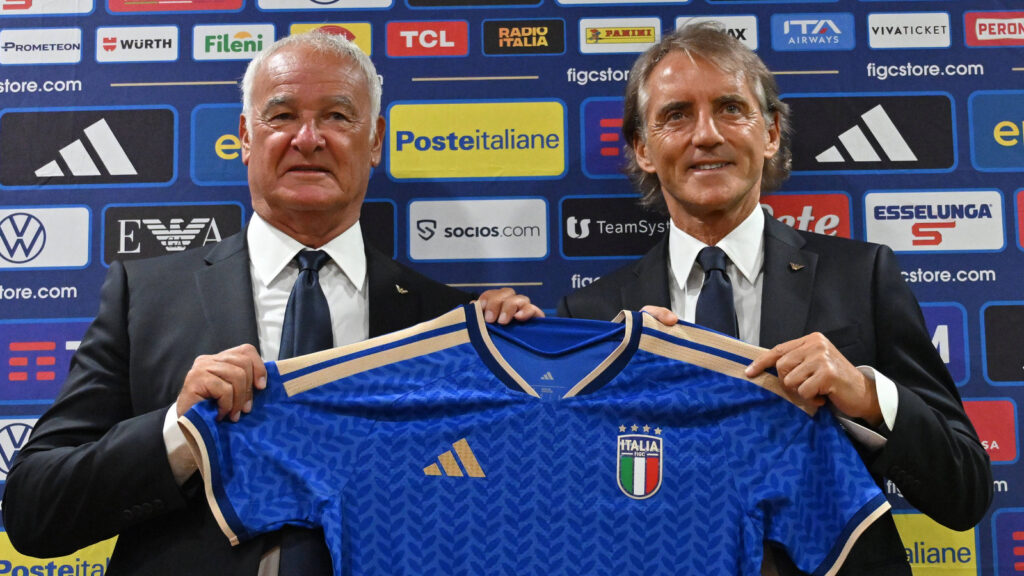
Italy, Nearly 70 Pre-Selections for Mancini: Squad List Announced Tomorrow, Spotlight on a New Generation
17 Sept 2026
Pure Class Raphinha
17 Sept 2026
Serie A has 14 players in the top 50, but only five are Italian
17 Sept 2026
From Robbery to DiaLise: Can Bayern’s new wing duo create their own legacy?
17 Sept 2026
Estudiantes oust Corinthians in Libertadores
17 Sept 2026
Barcelona 7-2 Real Racing Club: Raphinha hat-trick and big numbers
16 Sept 2026
Benfica beat AC Milan 2-0 at San Siro: stats and stars
16 Sept 2026UFC Freedom 250: Justin Gaethje stops Ilia Topuria with a fourth-round TKO in Washington
On a very different kind of Fight Night stage, Justin Gaethje defeated Ilia Topuria by TKO in Round 4 at UFC Freedom 250 on the South Lawn of the White House in Washington. The stoppage came after a late striking surge from Gaethje that flipped a bout Topuria had largely controlled through the first half.
The numbers tell a clear story: Gaethje led the total strike count 199 to 173, while Topuria led the significant strikes 126 to 107. The fight spent 85.25% of its runtime at distance, and the man who owned the distance late walked away with the finish. Fans following live on Sofascore will have seen the momentum swing sharply after a dominant second round for Topuria.
Round-by-round momentum: from Topuria control to Gaethje’s late surge
The opening round was fought entirely at distance for all 300 seconds, and Topuria edged the quality exchanges. He landed 38 significant strikes to Gaethje’s 28, with a 32-26 advantage to the head and a useful 14-7 edge in the clinch. Gaethje still threw volume with 72 total strikes landed to Topuria’s 59, hinting at a pace play to come. Clinch time was a hefty 115 seconds and control was nearly even, so neither man imposed grappling in the opener. It was competitive, but Topuria’s cleaner shots gave him the better optics on significant connections.
Round 2 was a major momentum push for Topuria. He turned pressure into control with 122 seconds of ground clinch time and owned 86 seconds of that phase, good for 70.49% control in the period. The result on the feet was decisive: Topuria out-landed Gaethje 57 to 14 in significant strikes, splitting his damage between the head and an emphatic 16 to the body. He also logged 12 ground significant strikes, while Gaethje managed just one. Topuria didn’t need takedowns to dominate the terrain in Round 2, but he did win the positional battle with two transitions to Gaethje’s zero. After 10 minutes, Topuria looked a step ahead.
The third round flipped the script. Gaethje halted Topuria’s clinch rhythm and took over the ground clinch control for 27 seconds to zero. He led 37 to 11 in total strikes and 28 to 10 in significant strikes, pushing the fight back into long-range boxing and kickboxing exchanges. The head shots swung Gaethje’s way 23 to 7 in the round, and he kept Topuria off the mat. With distance time up at 90.33% and Gaethje dictating pace, the trajectory of the bout changed heading into the championship rounds.

Striking breakdown: volume vs quality and where it landed
Across the four rounds, Gaethje’s volume kept stacking. He finished with 199 total strikes to Topuria’s 173, driven by heavier output at distance: 195 to 160. Topuria’s answer was efficiency in the moments that mattered most early, and a clear edge in significant strikes overall at 126 to 107. That gap came from Round 2 and smart placement in the clinch and on the mat.
Location told the tale of styles. Topuria out-landed in the clinch 58 to 48 and turned those positions into 41 significant clinch strikes to Gaethje’s 20. He also owned the ground striking 13 to 4, all of which showed up in his mid-fight control spell. Gaethje’s comeback came almost entirely from range. In Round 4 he posted 57 total strikes and 37 significant strikes, with 100% of his significant connections coming at distance.
Target selection also mattered. Topuria led significant body strikes 27 to 10 and was more varied in distribution. Gaethje focused the majority of his work upstairs, with 91 significant strikes to the head compared to Topuria’s 94, but with a higher head-strike share at 85.04%. When the finish arrived, it was the cumulative, head-first distance striking that broke through. No knockdowns were recorded for either fighter, which underlines how sustained volume and accuracy, not one-shot power, shaped this stoppage.
Clinch and ground: control spells vs defensive answers
Topuria’s best stretches came from winning the clinch and ground clinch control. Over the fight, he held 103 seconds of clinch control to Gaethje’s 80. In ground clinch, he led 102 seconds to 65. Those pockets fed his Round 2 surge, where he controlled 86 seconds of ground clinch time and out-landed 57 to 14 in significant strikes. He also executed three successful transitions overall and conceded none, a small tactical edge that reinforced his grappling reads.
Takedown dynamics showed Topuria’s efficiency. He attempted two takedowns and completed one, a 50% success rate. Gaethje went for four and also finished one, a 25% clip. On defense, Topuria stuffed three of four attempts against him for a 75% takedown defense rate. Gaethje defended one of two for 50%. Submissions were a non-factor: zero attempted, zero completed on both sides. For two and a half rounds, that defensive work from Topuria plus his clinch control let him dictate where and how the exchanges happened.
But Gaethje found counters to the tie-ups. In Round 3 he flipped ground clinch control 27 to 0 and limited clinch striking. In Round 4 he again narrowed those windows and forced Topuria back into mid-to-long range. Topuria still secured one takedown in the fourth, but Gaethje popped up or nullified follow-ups quickly, then went back to work at distance. When those clinch and ground hold times dropped, Topuria’s body work and short-range scoring lost their platform.

How the finish came: distance, pace and a cleaner fourth
The fourth round was all Gaethje on the feet. He landed 57 total strikes to 36 and produced 37 significant strikes to 21. Every one of Gaethje’s significant strikes in the frame came at distance, while Topuria logged just three significant shots in the clinch and one on the ground. Gaethje spread the damage with 28 significant head strikes in the round, and kept Topuria from slowing him with body work. The distance share of significant output hit 100% for Gaethje in the frame, a perfect snapshot of the tactical shift.
Even with Topuria completing a takedown in the fourth, Gaethje’s answers were instant. He limited ground time to just 26 seconds in the round and clinch time to 31 seconds total. That left 272 seconds at distance, where Gaethje steered both volume and tempo. Topuria’s overall significant-strike lead built earlier in the fight didn’t hold up once Gaethje owned the geography and the jab-cross lanes late.
Across 20 minutes of action, the macro numbers match the narrative. The bout spent 85.25% of its time at distance. Gaethje won that long-range battle overall with 195 distance strikes to 160, and he saved his best for last. Topuria’s stronger moments came from clinch control, body targeting and short bursts of ground offense, especially in Round 2. The finish, though, was built on Gaethje’s distance pressure and a decisive fourth-round surge.
For full round-by-round stats and live momentum swings, Sofascore remains a useful companion for MMA nights. This one will be remembered for a unique venue and a late kick from a volume striker who turned the fight in space.
 UFC
UFC



The latest stories
Italy, Nearly 70 Pre-Selections for Mancini: Squad List Announced Tomorrow, Spotlight on a New Generation
17 Sept 2026Pure Class Raphinha
17 Sept 2026Serie A has 14 players in the top 50, but only five are Italian
17 Sept 2026From Robbery to DiaLise: Can Bayern’s new wing duo create their own legacy?
17 Sept 2026Estudiantes oust Corinthians in Libertadores
17 Sept 2026Barcelona 7-2 Real Racing Club: Raphinha hat-trick and big numbers
16 Sept 2026
On a very different kind of Fight Night stage, Justin Gaethje defeated Ilia Topuria by TKO in Round 4 at UFC Freedom 250 on the South Lawn of the White House in Washington. The stoppage came after a late striking surge from Gaethje that flipped a bout Topuria had largely controlled through the first half.
The numbers tell a clear story: Gaethje led the total strike count 199 to 173, while Topuria led the significant strikes 126 to 107. The fight spent 85.25% of its runtime at distance, and the man who owned the distance late walked away with the finish. Fans following live on Sofascore will have seen the momentum swing sharply after a dominant second round for Topuria.
Round-by-round momentum: from Topuria control to Gaethje’s late surge
The opening round was fought entirely at distance for all 300 seconds, and Topuria edged the quality exchanges. He landed 38 significant strikes to Gaethje’s 28, with a 32-26 advantage to the head and a useful 14-7 edge in the clinch. Gaethje still threw volume with 72 total strikes landed to Topuria’s 59, hinting at a pace play to come. Clinch time was a hefty 115 seconds and control was nearly even, so neither man imposed grappling in the opener. It was competitive, but Topuria’s cleaner shots gave him the better optics on significant connections.
Round 2 was a major momentum push for Topuria. He turned pressure into control with 122 seconds of ground clinch time and owned 86 seconds of that phase, good for 70.49% control in the period. The result on the feet was decisive: Topuria out-landed Gaethje 57 to 14 in significant strikes, splitting his damage between the head and an emphatic 16 to the body. He also logged 12 ground significant strikes, while Gaethje managed just one. Topuria didn’t need takedowns to dominate the terrain in Round 2, but he did win the positional battle with two transitions to Gaethje’s zero. After 10 minutes, Topuria looked a step ahead.
The third round flipped the script. Gaethje halted Topuria’s clinch rhythm and took over the ground clinch control for 27 seconds to zero. He led 37 to 11 in total strikes and 28 to 10 in significant strikes, pushing the fight back into long-range boxing and kickboxing exchanges. The head shots swung Gaethje’s way 23 to 7 in the round, and he kept Topuria off the mat. With distance time up at 90.33% and Gaethje dictating pace, the trajectory of the bout changed heading into the championship rounds.
Striking breakdown: volume vs quality and where it landed
Across the four rounds, Gaethje’s volume kept stacking. He finished with 199 total strikes to Topuria’s 173, driven by heavier output at distance: 195 to 160. Topuria’s answer was efficiency in the moments that mattered most early, and a clear edge in significant strikes overall at 126 to 107. That gap came from Round 2 and smart placement in the clinch and on the mat.
Location told the tale of styles. Topuria out-landed in the clinch 58 to 48 and turned those positions into 41 significant clinch strikes to Gaethje’s 20. He also owned the ground striking 13 to 4, all of which showed up in his mid-fight control spell. Gaethje’s comeback came almost entirely from range. In Round 4 he posted 57 total strikes and 37 significant strikes, with 100% of his significant connections coming at distance.
Target selection also mattered. Topuria led significant body strikes 27 to 10 and was more varied in distribution. Gaethje focused the majority of his work upstairs, with 91 significant strikes to the head compared to Topuria’s 94, but with a higher head-strike share at 85.04%. When the finish arrived, it was the cumulative, head-first distance striking that broke through. No knockdowns were recorded for either fighter, which underlines how sustained volume and accuracy, not one-shot power, shaped this stoppage.
Clinch and ground: control spells vs defensive answers
Topuria’s best stretches came from winning the clinch and ground clinch control. Over the fight, he held 103 seconds of clinch control to Gaethje’s 80. In ground clinch, he led 102 seconds to 65. Those pockets fed his Round 2 surge, where he controlled 86 seconds of ground clinch time and out-landed 57 to 14 in significant strikes. He also executed three successful transitions overall and conceded none, a small tactical edge that reinforced his grappling reads.
Takedown dynamics showed Topuria’s efficiency. He attempted two takedowns and completed one, a 50% success rate. Gaethje went for four and also finished one, a 25% clip. On defense, Topuria stuffed three of four attempts against him for a 75% takedown defense rate. Gaethje defended one of two for 50%. Submissions were a non-factor: zero attempted, zero completed on both sides. For two and a half rounds, that defensive work from Topuria plus his clinch control let him dictate where and how the exchanges happened.
But Gaethje found counters to the tie-ups. In Round 3 he flipped ground clinch control 27 to 0 and limited clinch striking. In Round 4 he again narrowed those windows and forced Topuria back into mid-to-long range. Topuria still secured one takedown in the fourth, but Gaethje popped up or nullified follow-ups quickly, then went back to work at distance. When those clinch and ground hold times dropped, Topuria’s body work and short-range scoring lost their platform.
How the finish came: distance, pace and a cleaner fourth
The fourth round was all Gaethje on the feet. He landed 57 total strikes to 36 and produced 37 significant strikes to 21. Every one of Gaethje’s significant strikes in the frame came at distance, while Topuria logged just three significant shots in the clinch and one on the ground. Gaethje spread the damage with 28 significant head strikes in the round, and kept Topuria from slowing him with body work. The distance share of significant output hit 100% for Gaethje in the frame, a perfect snapshot of the tactical shift.
Even with Topuria completing a takedown in the fourth, Gaethje’s answers were instant. He limited ground time to just 26 seconds in the round and clinch time to 31 seconds total. That left 272 seconds at distance, where Gaethje steered both volume and tempo. Topuria’s overall significant-strike lead built earlier in the fight didn’t hold up once Gaethje owned the geography and the jab-cross lanes late.
Across 20 minutes of action, the macro numbers match the narrative. The bout spent 85.25% of its time at distance. Gaethje won that long-range battle overall with 195 distance strikes to 160, and he saved his best for last. Topuria’s stronger moments came from clinch control, body targeting and short bursts of ground offense, especially in Round 2. The finish, though, was built on Gaethje’s distance pressure and a decisive fourth-round surge.
For full round-by-round stats and live momentum swings, Sofascore remains a useful companion for MMA nights. This one will be remembered for a unique venue and a late kick from a volume striker who turned the fight in space.